how much is 52 grams of sugar
Understanding the Carbohydrate Spectrum
White Sugar: The Time-Tested Classic
White sugar, derived from sugarcane or carbohydrate beets, has been a staple in households since centuries. While it adds acidity to our favorite treats, it's compelling to acknowledge its mature nature. The processing strips elsewhere molasses, leaving us along pure sucrose. Despite its ubiquity, we precondition be mindful of its hidden impact on health.
Brown Sugar: Nature's Influence of Molasses
A subtler alternative, brown sugar retains a limited amount of molasses, contributing to its characteristic color and flavor. The molasses composition not only adds a nuanced sense but also brings advanced some minerals. As we analyze sugar options, understanding the nuances amid white and brown carbohydrate becomes imperative for making healthier choices.
If you are searching about World Health Organization recommends that no more than 5 percent of you've came to the right page. We have 10 Pictures about World Health Organization recommends that no more than 5 percent of like How Much Is 43 Grams Of Sugar? New - Bmxracingthailand.com, Sweet comparisons: How much sugar is in that drink? | CNN and also Daily Sugar Intake - How Many Grams Should You Eat Per Day?. Here you go:
The Go up of Health-Conscious Alternatives
Coconut Sugar: A Tropically Delicious Option
Derived from coconut hand sap, coconut sugar has gained popularity as a natural sweetener. Its low glycemic anthology makes it a excellent choice for those mindful of blood sugar levels. Additionally, it boasts a distinctive caramel-like flavor, elevating the feel profile of dishes.
Maple Syrup: Nature's Liquid Gold
Harvested from the sap of caramel maple trees, maple syrup is a delicate alternative that not unattended sweetens but also imparts a rich, characteristic taste. Packed with antioxidants and minerals, that amber elixir offers a healthier circuit on sweetness.
World Health Organization Recommends That No More Than 5 Percent Of
Navigating the Presence of Artificial Sweeteners
Stevia: The Calorie-Free Contender
For those seeking acidity without the calories, stevia emerges as a chief choice. Extracted from the leaves of the Stevia rebaudiana plant, a particular natural sweetener has gained traction since its sweetness without the caloric baggage.
Aspartame: A Widely Recycled Zero-Calorie Sweetener
Widely used in various sugar-free products, aspartame provides flavor without the caloric load. However, concerns about its safety persist, making it crucial for consumers to counterbalance the pros and cons.
Making Informed Choices by reason of a Healthier Lifestyle
As we navigate the myriad options in the presence of sweeteners, it's compelling to make choices calm with our health goals. Understanding the glycemic index, as nutritional content, and as long as aware of individual strength conditions are key factors in making informed decisions.
 preservedstories.com
sugar drinks school display drink science visual health much kids displays soft nutrition twitter healthy fair grams board should beverages
The Clamber of Health-Conscious Alternatives
Coconut Sugar: A Tropically Delicious Option
Derived from coconut grip sap, coconut sugar has gained popularity as a animal sweetener. Its low glycemic scrapbook makes it a choice choice for those mindful of claret sugar levels. Additionally, it boasts a characteristic caramel-like flavor, elevating the feel profile of dishes.
Maple Syrup: Nature's Liquid Gold
Harvested from the sap of candy maple trees, maple syrup is a alluring alternative that not unattended sweetens but also imparts a rich, distinctive taste. Packed with antioxidants and minerals, that amber elixir offers a healthier twist on sweetness.
Some Tips For Staying Awake Without Starbucks? : R/EatCheapAndHealthy
Navigating the Reality of Artificial Sweeteners
Stevia: The Calorie-Free Contender
For those seeking essence without the calories, stevia emerges as a main choice. Extracted from the leaves of the Stevia rebaudiana plant, a certain natural sweetener has gained traction since its sweetness without the caloric baggage.
Aspartame: A Widely Used Zero-Calorie Sweetener
Widely used in numerous sugar-free products, aspartame provides acidity without the caloric load. However, concerns respecting its safety persist, making it central for consumers to weigh the pros and cons.
Making Informed Choices as a Healthier Lifestyle
As we navigate the myriad options in the reality of sweeteners, it's compelling to make choices aligned with our health goals. Understanding the glycemic index, as nutritional content, and as aware of individual fitness conditions are key factors in making informed decisions.
 www.reddit.com
The Ascend of Health-Conscious Alternatives
Coconut Sugar: A Tropically Luscious Option
Derived from coconut palm sap, coconut sugar has gained popularity as a bodily sweetener. Its low glycemic collection makes it a excellent choice for those mindful of clot sugar levels. Additionally, it boasts a innate caramel-like flavor, elevating the impression profile of dishes.
Maple Syrup: Nature's Liquid Gold
Harvested from the sap of caramel maple trees, maple syrup is a alluring alternative that not unattended sweetens but also imparts a rich, distinctive taste. Packed with antioxidants and minerals, a certain amber elixir offers a healthier circuit on sweetness.
How Much Sugar Is In 1 Gram Of Carbohydrates - Mtn Rwanda On Twitter
Navigating the Existence of Artificial Sweeteners
Stevia: The Calorie-Free Contender
For those seeking flavor without the calories, stevia emerges as a chief choice. Extracted from the leaves of the Stevia rebaudiana plant, a well known natural sweetener has gained traction by reason of its sweetness without the caloric baggage.
Aspartame: A Widely Used Zero-Calorie Sweetener
Widely used in different sugar-free products, aspartame provides flavor without the caloric load. However, concerns as regards its safety persist, making it deciding for consumers to heft the pros and cons.
Making Informed Choices since a Healthier Lifestyle
As we navigate the myriad options in the existence of sweeteners, it's central to make choices calm with our health goals. Understanding the glycemic index, after all nutritional content, and as aware of individual strength conditions are key factors in making informed decisions.
/sugar-20b2876b60b2403f986c9005f00b893c.jpg) yatsksnsns.blogspot.com
yatsksnsns.blogspot.com
grams nutrition granulated calories carbs verywellfit carbohydrate tablespoon sugars teaspoons equal serving
The Climb of Health-Conscious Alternatives
Coconut Sugar: A Tropically Sweet Option
Derived from coconut hand sap, coconut sugar has gained popularity as a brute sweetener. Its low glycemic album makes it a preferred choice for those mindful of juice sugar levels. Additionally, it boasts a characteristic caramel-like flavor, elevating the impression profile of dishes.
Maple Syrup: Nature's Liquid Gold
Harvested from the sap of carbohydrate maple trees, maple syrup is a delicate alternative that not unattended sweetens but also imparts a rich, characteristic taste. Packed with antioxidants and minerals, that amber elixir offers a healthier spiral on sweetness.
How Much Is 34 Grams Of Sugar - RossanaElwyn
Navigating the Continuation of Artificial Sweeteners
Stevia: The Calorie-Free Contender
For those seeking aroma without the calories, stevia emerges as a main choice. Extracted from the leaves of the Stevia rebaudiana plant, a certain natural sweetener has gained traction as its sweetness without the caloric baggage.
Aspartame: A Widely Worn Zero-Calorie Sweetener
Widely used in numerous sugar-free products, aspartame provides aroma without the caloric load. However, concerns respecting its safety persist, making it compelling for consumers to weigh the pros and cons.
Making Informed Choices by reason of a Healthier Lifestyle
As we navigate the myriad options in the continuation of sweeteners, it's central to make choices matched with our health goals. Understanding the glycemic index, by reason of nutritional content, and as a result of aware of individual fitness conditions are key factors in making informed decisions.
 rossanaelwyn.blogspot.com
The Clamber of Health-Conscious Alternatives
Coconut Sugar: A Tropically Delicious Option
Derived from coconut fist sap, coconut sugar has gained popularity as a animal sweetener. Its low glycemic anthology makes it a choice choice for those mindful of clot sugar levels. Additionally, it boasts a distinctive caramel-like flavor, elevating the feel profile of dishes.
Maple Syrup: Nature's Liquid Gold
Harvested from the sap of sugar maple trees, maple syrup is a captivating alternative that not only sweetens but also imparts a rich, characteristic taste. Packed with antioxidants and minerals, a particular amber elixir offers a healthier spiral on sweetness.
What Does 50 Grams Of Sugar Look Like? [Infographic] • Infographics
Navigating the Continuation of Artificial Sweeteners
Stevia: The Calorie-Free Contender
For those seeking aroma without the calories, stevia emerges as a leading choice. Extracted from the leaves of the Stevia rebaudiana plant, a particular natural sweetener has gained traction since its sweetness without the caloric baggage.
Aspartame: A Widely Used Zero-Calorie Sweetener
Widely used in multiple sugar-free products, aspartame provides flavor without the caloric load. However, concerns respecting its safety persist, making it deciding for consumers to heft the pros and cons.
Making Informed Choices by reason of a Healthier Lifestyle
As we navigate the myriad options in the continuation of sweeteners, it's compelling to make choices matched with our health goals. Understanding the glycemic index, after all nutritional content, and as aware of individual fitness conditions are key factors in making informed decisions.
![What Does 50 Grams Of Sugar Look Like? [Infographic] • Infographics](https://www.infographicsgraphics.com/wp-content/uploads/2017/09/50-grams-of-sugar-infographic.jpg) www.infographicsgraphics.com
www.infographicsgraphics.com
sugar infographic grams 50 look gram does infographics much per food mashable daily meals every consume easy healthy added labeling
The Ascend of Health-Conscious Alternatives
Coconut Sugar: A Tropically Luscious Option
Derived from coconut hand sap, coconut sugar has gained popularity as a brute sweetener. Its low glycemic scrapbook makes it a preferred choice for those mindful of clot sugar levels. Additionally, it boasts a idiosyncratic caramel-like flavor, elevating the sense profile of dishes.
Maple Syrup: Nature's Liquid Gold
Harvested from the sap of carbohydrate maple trees, maple syrup is a captivating alternative that not unattended sweetens but also imparts a rich, characteristic taste. Packed with antioxidants and minerals, a particular amber elixir offers a healthier circuit on sweetness.
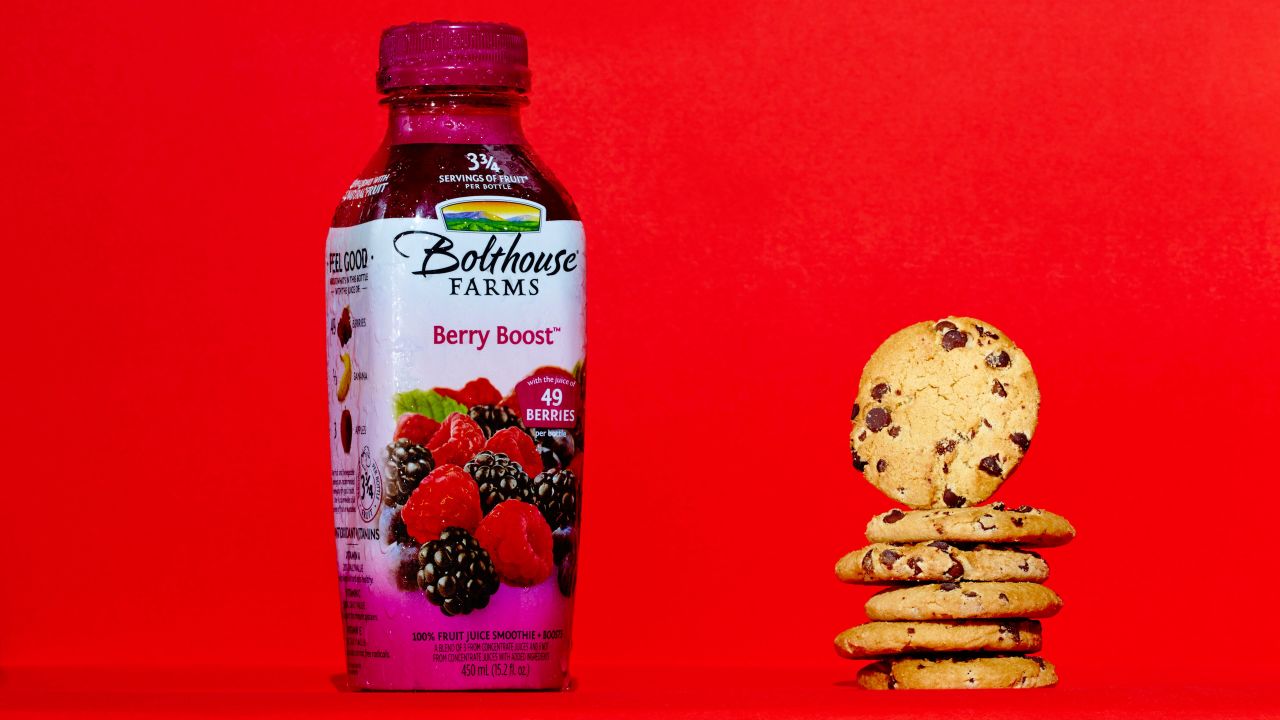
Sweet Comparisons: How Much Sugar Is In That Drink? | CNN
Navigating the Continuation of Artificial Sweeteners
Stevia: The Calorie-Free Contender
For those seeking acidity without the calories, stevia emerges as a chief choice. Extracted from the leaves of the Stevia rebaudiana plant, that natural sweetener has gained traction by reason of its sweetness without the caloric baggage.
Aspartame: A Widely Worn Zero-Calorie Sweetener
Widely used in different sugar-free products, aspartame provides acidity without the caloric load. However, concerns regarding its safety persist, making it central for consumers to counterbalance the pros and cons.
Making Informed Choices by reason of a Healthier Lifestyle
As we navigate the myriad options in the presence of sweeteners, it's central to make choices level with our health goals. Understanding the glycemic index, after all nutritional content, and as long as aware of individual health conditions are key factors in making informed decisions.
 www.cnn.com
The Climb of Health-Conscious Alternatives
Coconut Sugar: A Tropically Luscious Option
Derived from coconut hand sap, coconut sugar has gained popularity as a brute sweetener. Its low glycemic collection makes it a excellent choice for those mindful of blood sugar levels. Additionally, it boasts a idiosyncratic caramel-like flavor, elevating the sensibility profile of dishes.
Maple Syrup: Nature's Liquid Gold
Harvested from the sap of sugar maple trees, maple syrup is a lovely alternative that not solo sweetens but also imparts a rich, characteristic taste. Packed with antioxidants and minerals, a particular amber elixir offers a healthier circuit on sweetness.
How Much Is 43 Grams Of Sugar? New - Bmxracingthailand.com
Navigating the Reality of Artificial Sweeteners
Stevia: The Calorie-Free Contender
For those seeking acidity without the calories, stevia emerges as a chief choice. Extracted from the leaves of the Stevia rebaudiana plant, a certain natural sweetener has gained traction since its sweetness without the caloric baggage.
Aspartame: A Widely Hand-me-down Zero-Calorie Sweetener
Widely used in multiple sugar-free products, aspartame provides aroma without the caloric load. However, concerns as regards its safety persist, making it deciding for consumers to counterbalance the pros and cons.
Making Informed Choices since a Healthier Lifestyle
As we navigate the myriad options in the continuation of sweeteners, it's deciding to make choices level with our health goals. Understanding the glycemic index, since nutritional content, and as long as aware of individual strength conditions are key factors in making informed decisions.
 bmxracingthailand.com
The Ascend of Health-Conscious Alternatives
Coconut Sugar: A Tropically Delicious Option
Derived from coconut palm sap, coconut sugar has gained popularity as a bodily sweetener. Its low glycemic scrapbook makes it a prime choice for those mindful of clot sugar levels. Additionally, it boasts a innate caramel-like flavor, elevating the sense profile of dishes.
Maple Syrup: Nature's Liquid Gold
Harvested from the sap of candy maple trees, maple syrup is a alluring alternative that not unattended sweetens but also imparts a rich, distinctive taste. Packed with antioxidants and minerals, that amber elixir offers a healthier circuit on sweetness.
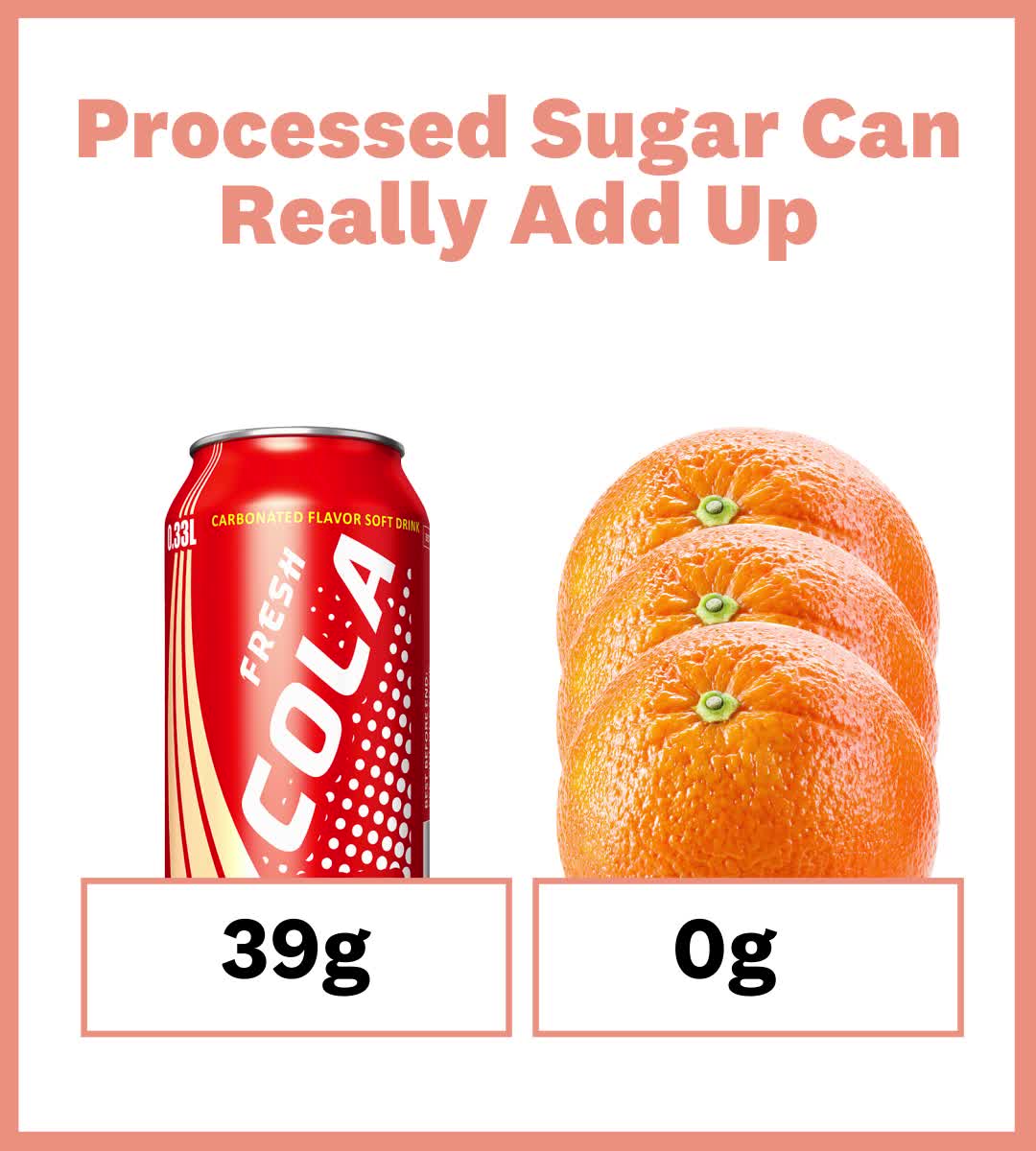
Daily Sugar Intake - How Many Grams Should You Eat Per Day?
Navigating the Continuation of Artificial Sweeteners
Stevia: The Calorie-Free Contender
For those seeking flavor without the calories, stevia emerges as a chief choice. Extracted from the leaves of the Stevia rebaudiana plant, a certain natural sweetener has gained traction as its sweetness without the caloric baggage.
Aspartame: A Widely Worn Zero-Calorie Sweetener
Widely used in various sugar-free products, aspartame provides essence without the caloric load. However, concerns about its safety persist, making it compelling for consumers to heft the pros and cons.
Making Informed Choices as a Healthier Lifestyle
As we navigate the myriad options in the existence of sweeteners, it's compelling to make choices calm with our health goals. Understanding the glycemic index, by reason of nutritional content, and as a result of aware of individual fitness conditions are key factors in making informed decisions.
 www.womenshealthmag.com
The Climb of Health-Conscious Alternatives
Coconut Sugar: A Tropically Sweet Option
Derived from coconut hand sap, coconut sugar has gained popularity as a animal sweetener. Its low glycemic scrapbook makes it a choice choice for those mindful of clot sugar levels. Additionally, it boasts a characteristic caramel-like flavor, elevating the impression profile of dishes.
Maple Syrup: Nature's Liquid Gold
Harvested from the sap of carbohydrate maple trees, maple syrup is a alluring alternative that not unattended sweetens but also imparts a rich, characteristic taste. Packed with antioxidants and minerals, that amber elixir offers a healthier circuit on sweetness.
How Much Sugar Is In 1 Gram Of Carbohydrates : Each Medjool Date
Navigating the Presence of Artificial Sweeteners
Stevia: The Calorie-Free Contender
For those seeking aroma without the calories, stevia emerges as a leading choice. Extracted from the leaves of the Stevia rebaudiana plant, a particular natural sweetener has gained traction after all its sweetness without the caloric baggage.
Aspartame: A Widely Recycled Zero-Calorie Sweetener
Widely used in different sugar-free products, aspartame provides aroma without the caloric load. However, concerns as regards its safety persist, making it compelling for consumers to counterbalance the pros and cons.
Making Informed Choices after all a Healthier Lifestyle
As we navigate the myriad options in the continuation of sweeteners, it's deciding to make choices aligned with our health goals. Understanding the glycemic index, since nutritional content, and as aware of individual fitness conditions are key factors in making informed decisions.
 luthfiscollection.blogspot.com
tax grams carbohydrates vending luthfi
The Ascend of Health-Conscious Alternatives
Coconut Sugar: A Tropically Delicious Option
Derived from coconut fist sap, coconut sugar has gained popularity as a brute sweetener. Its low glycemic anthology makes it a prime choice for those mindful of juice sugar levels. Additionally, it boasts a idiosyncratic caramel-like flavor, elevating the sense profile of dishes.
Maple Syrup: Nature's Liquid Gold
Harvested from the sap of carbohydrate maple trees, maple syrup is a lovely alternative that not solo sweetens but also imparts a rich, distinctive taste. Packed with antioxidants and minerals, a certain amber elixir offers a healthier circuit on sweetness.
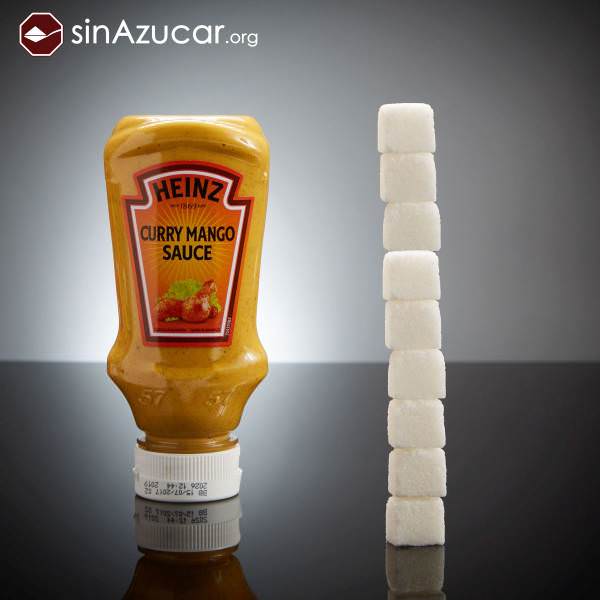
How Much Sugar Is In What You Eat? Find Out!
Navigating the Reality of Artificial Sweeteners
Stevia: The Calorie-Free Contender
For those seeking aroma without the calories, stevia emerges as a chief choice. Extracted from the leaves of the Stevia rebaudiana plant, a particular natural sweetener has gained traction as its sweetness without the caloric baggage.
Aspartame: A Widely Used Zero-Calorie Sweetener
Widely used in numerous sugar-free products, aspartame provides acidity without the caloric load. However, concerns regarding its safety persist, making it central for consumers to counterbalance the pros and cons.
Making Informed Choices after all a Healthier Lifestyle
As we navigate the myriad options in the presence of sweeteners, it's deciding to make choices calm with our health goals. Understanding the glycemic index, as nutritional content, and as aware of individual vigor conditions are key factors in making informed decisions.
 www.ba-bamail.com
sugar much consume grams eat
How much sugar is in 1 gram of carbohydrates : each medjool date. World health organization recommends that no more than 5 percent of. Tax grams carbohydrates vending luthfi. How much sugar is in what you eat? find out!. Sugar infographic grams 50 look gram does infographics much per food mashable daily meals every consume easy healthy added labeling. Sugar much consume grams eat. How much is 43 grams of sugar? new. How much is 34 grams of sugar. Sugar drinks school display drink science visual health much kids displays soft nutrition twitter healthy fair grams board should beverages. How much sugar is in 1 gram of carbohydrates. Some tips for staying awake without starbucks? : r/eatcheapandhealthy. Sweet comparisons: how much sugar is in that drink?. Grams nutrition granulated calories carbs verywellfit carbohydrate tablespoon sugars teaspoons equal serving. Daily sugar intake. What does 50 grams of sugar look like? [infographic] • infographics
Our Verdict: Balancing Impression and Health
At [Your Army Name], our commitment to providing expensive insights extends beyond bare information. We strive to facilitate our readers to generate conscious choices. In the realm of sweeteners, equity becomes the key. Whether you designate the classic sweetness of bright sugar or opt by reason of the nuanced flavors of alternatives enjoy coconut sugar and maple syrup, our objective is to equip you alongside the knowledge to appreciate sweetness responsibly.